Choosing the right Android TV box in 2026 is no longer just about finding a device that can handle daily streaming.
For many families across the United States and Canada, it is about building a smoother and more reliable home entertainment system—faster performance, better picture quality, stronger Wi-Fi stability, and fewer problems after purchase.
After helping customers compare different TV boxes, one thing becomes clear very quickly: people rarely regret choosing the better device, but they often regret choosing the cheapest one first.
Slow app loading, delayed remote response, limited storage, unstable connections, and weak long-term performance are the most common frustrations users experience with low-end TV boxes.
This is exactly why more North American users are paying attention to vSeeBox.
Compared with basic streaming sticks, vSeeBox focuses more on stronger hardware, better system stability, and a more dependable everyday experience—especially for users who expect more than simple viewing.
The real question is simple:
Which vSeeBox Is Actually Worth Buying in 2026?
This guide will help you understand what truly matters before buying, compare the most popular models, avoid common mistakes, and choose the right Android TV box for your home entertainment needs.
If you are completely new to setup, you can also read:
How to Use vSeeBox in 2026 | Complete Setup Guide for First-Time Users
This guide covers installation, remote pairing, Wi-Fi connection, and first-time setup.
Performance Comes First — Not Marketing
A TV box can look impressive on paper, but daily use always tells the real story.
The first things people notice are simple.
How fast do apps open?
Does live TV run smoothly without buffering?
Can the system handle 4K and 8K content without lag?
Does the remote respond immediately?
Will the device still feel fast after months of daily use?
This is where hardware makes the real difference.
For stable performance and long-term reliability, I always recommend choosing a device with a quad-core 64-bit processor or better, at least 2GB of RAM—while 4GB is the stronger long-term option—and no less than 32GB of internal storage.
HDMI 2.0 or above is necessary for proper high-definition output, while USB expansion support adds much more flexibility for users who connect external storage or additional accessories.
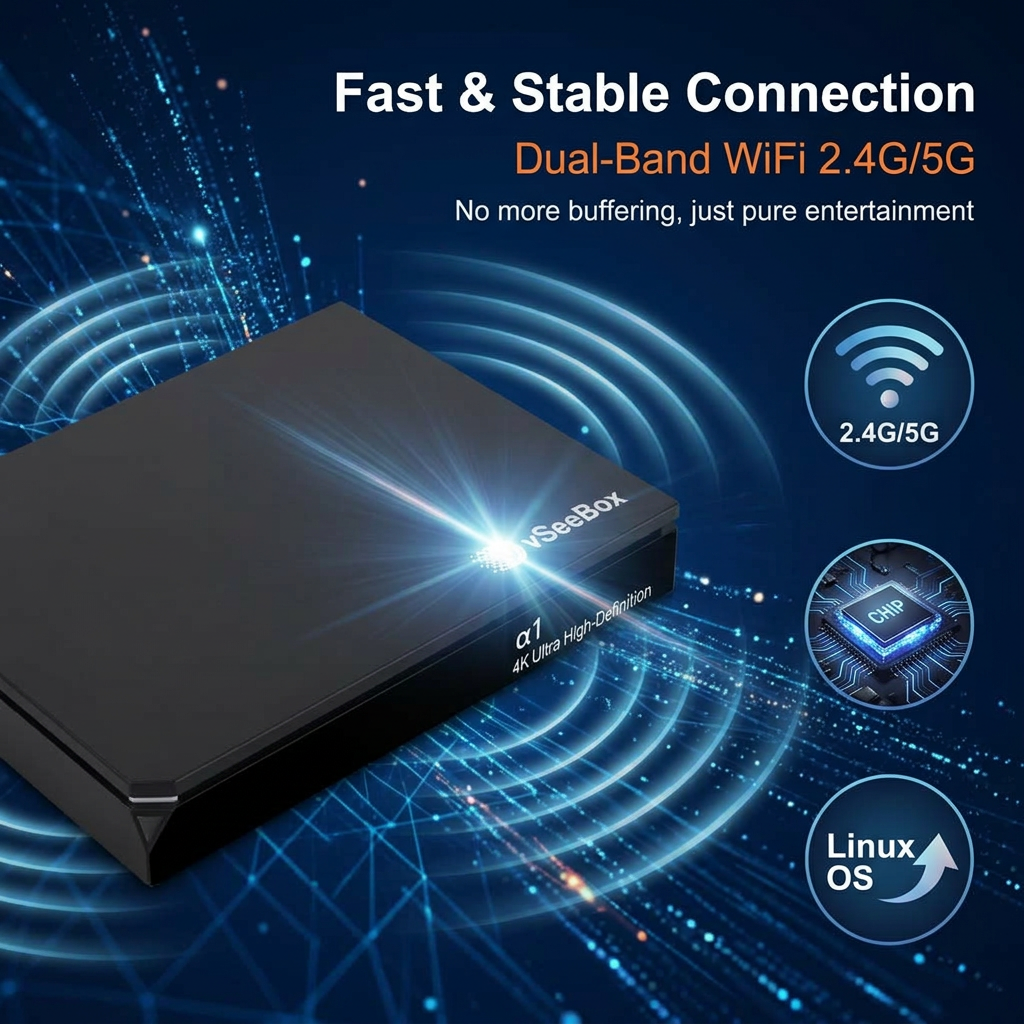
Stable dual-band Wi-Fi with strong 5GHz support also matters far more than many buyers expect, especially for households using multiple devices at the same time.
For users running larger media libraries, local playback, or multiple applications, stronger hardware creates a noticeable improvement from the first day.
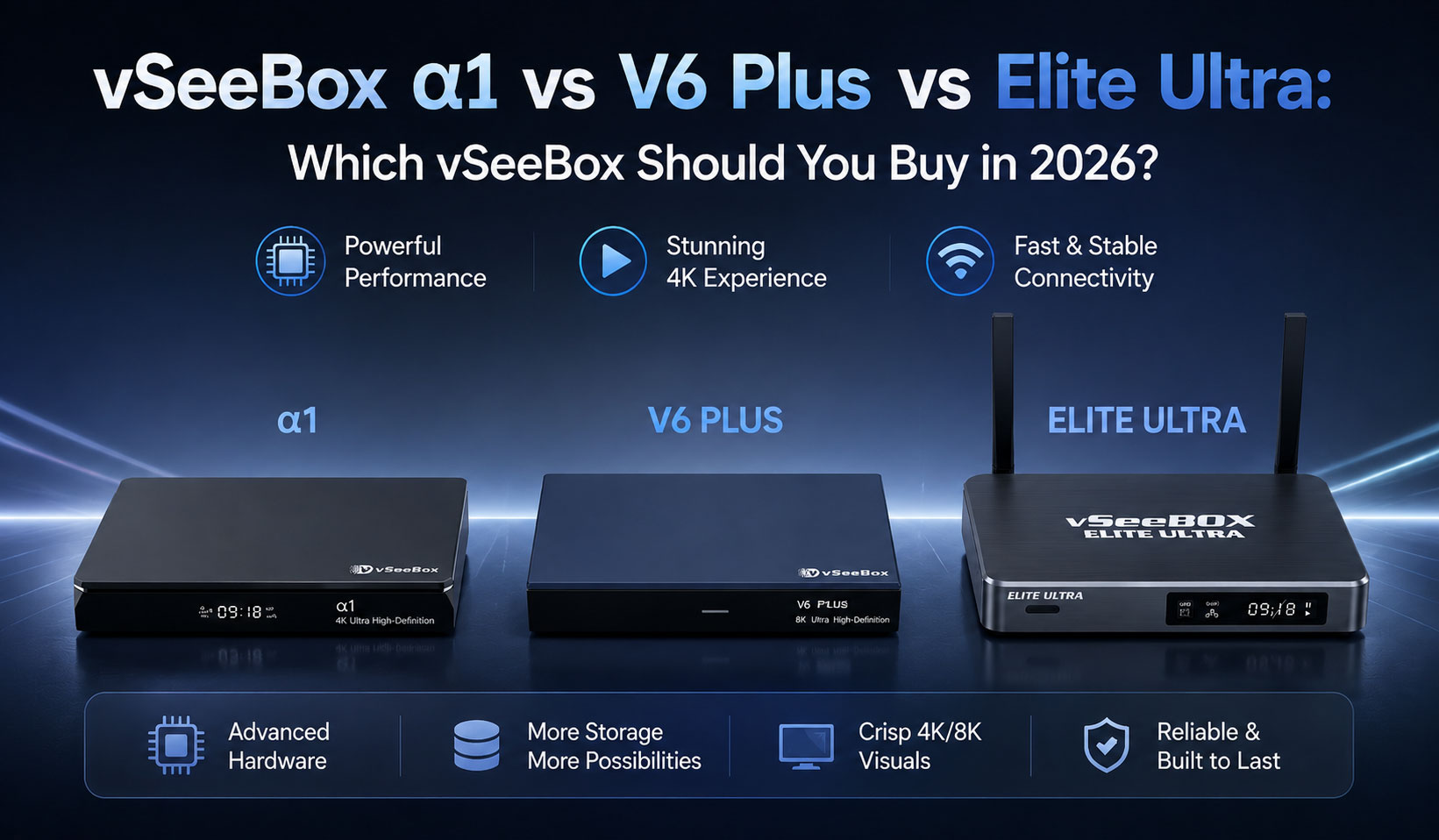
Still comparing models? Check out our :
vSeeBox Buying Guide for North American Users in 2026
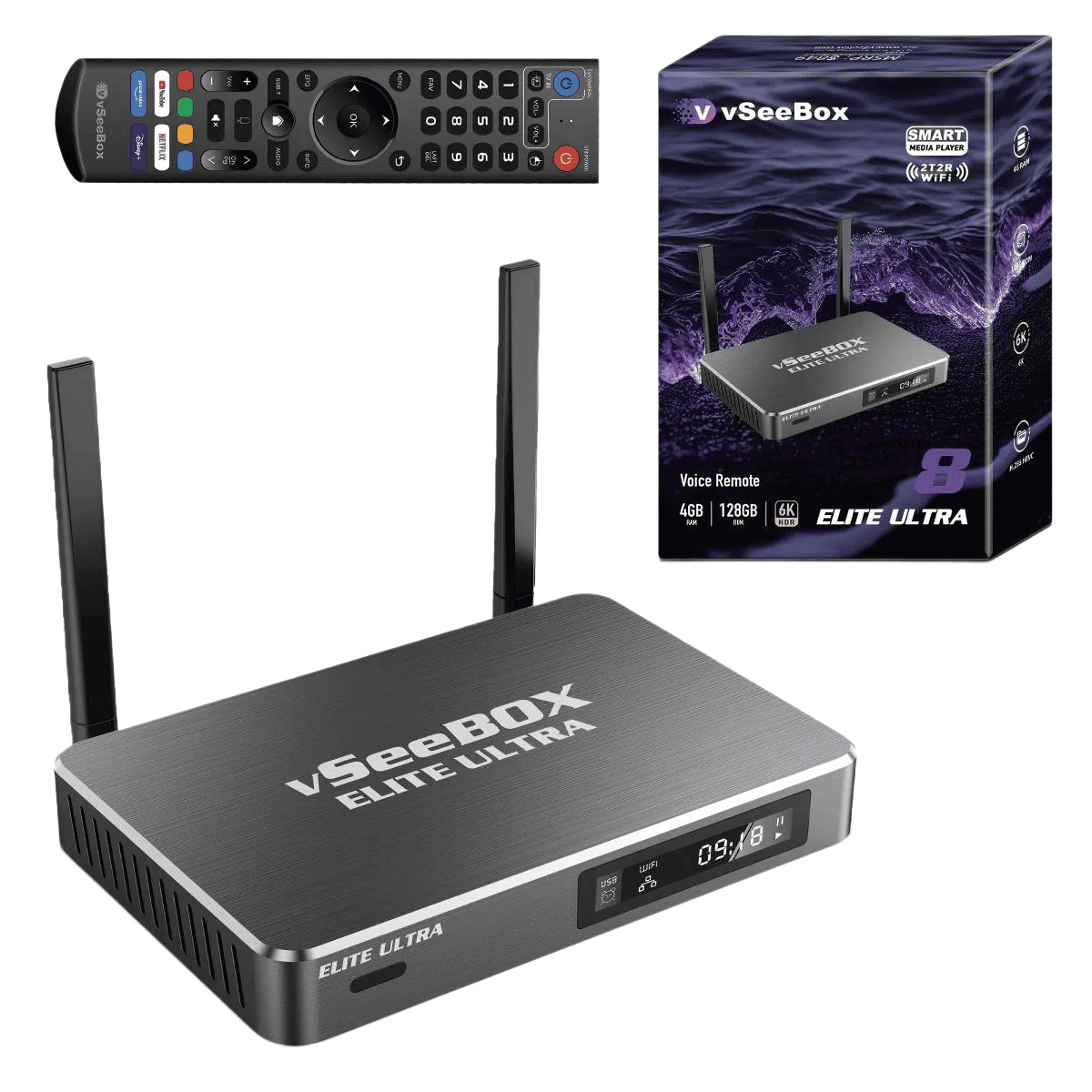
Both models are designed for users who want more than entry-level streaming.
Why vSeeBox V6 Plus Has Become the Popular 8K Upgrade
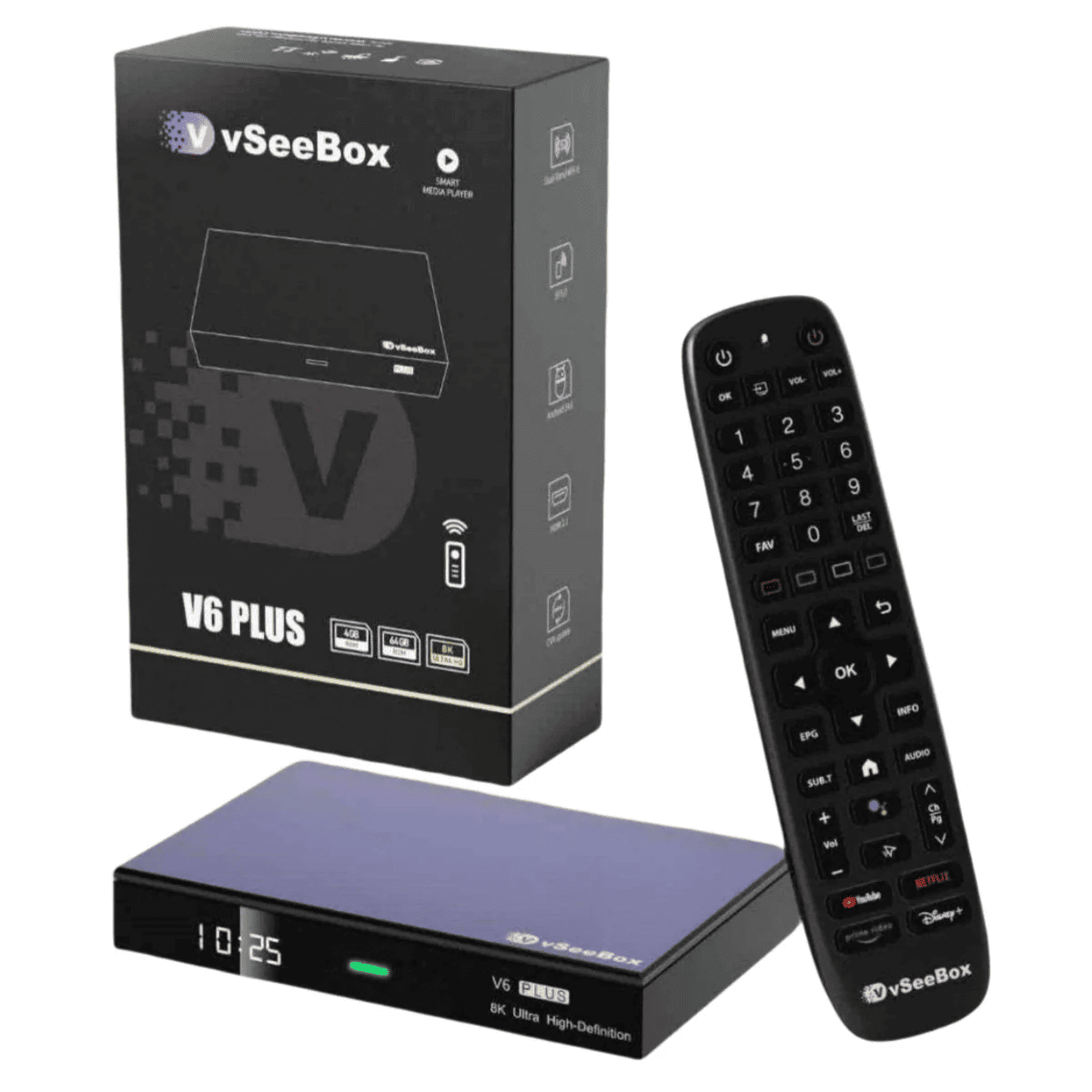
Among the current lineup, vSeeBox V6 Plus stands out because it is built as a true 8K Android TV box, not simply another standard 4K streaming device.
For users upgrading from older boxes, this becomes a difference they can see immediately.
V6 Plus supports 8K Ultra HD output, HDR10 with stronger image processing, faster system response, larger internal storage for more applications, Bluetooth voice remote control, stronger decoding for high-bitrate content, and long-term stability designed for premium home entertainment.
On televisions above 65 inches, the upgrade feels much more obvious.
Sports look smoother.
Movies show stronger contrast and richer detail.
Live events feel sharper and more immersive.
This is why buyers searching for the best 8K Android TV box for home entertainment often compare V6 Plus first.
It offers the balance between flagship-level performance and practical long-term value without immediately moving into the highest ultra-premium price range.
If your goal is building a better living room entertainment system for the next several years, V6 Plus is one of the safest long-term choices.
Common Mistakes Buyers Make When Choosing an Android TV Box
Many buyers focus only on price and ignore the real long-term cost.
This is where most regret starts.
The most common mistakes include choosing the cheapest box without checking certification, ignoring Wi-Fi stability and Ethernet support, buying low-storage models that become slow after updates, confusing Android OS with certified Android TV, and underestimating the importance of remote quality.
Most buyers do not regret spending slightly more.
They regret replacing a poor device six months later.
Buying the wrong TV box is always more expensive than buying the right one once.
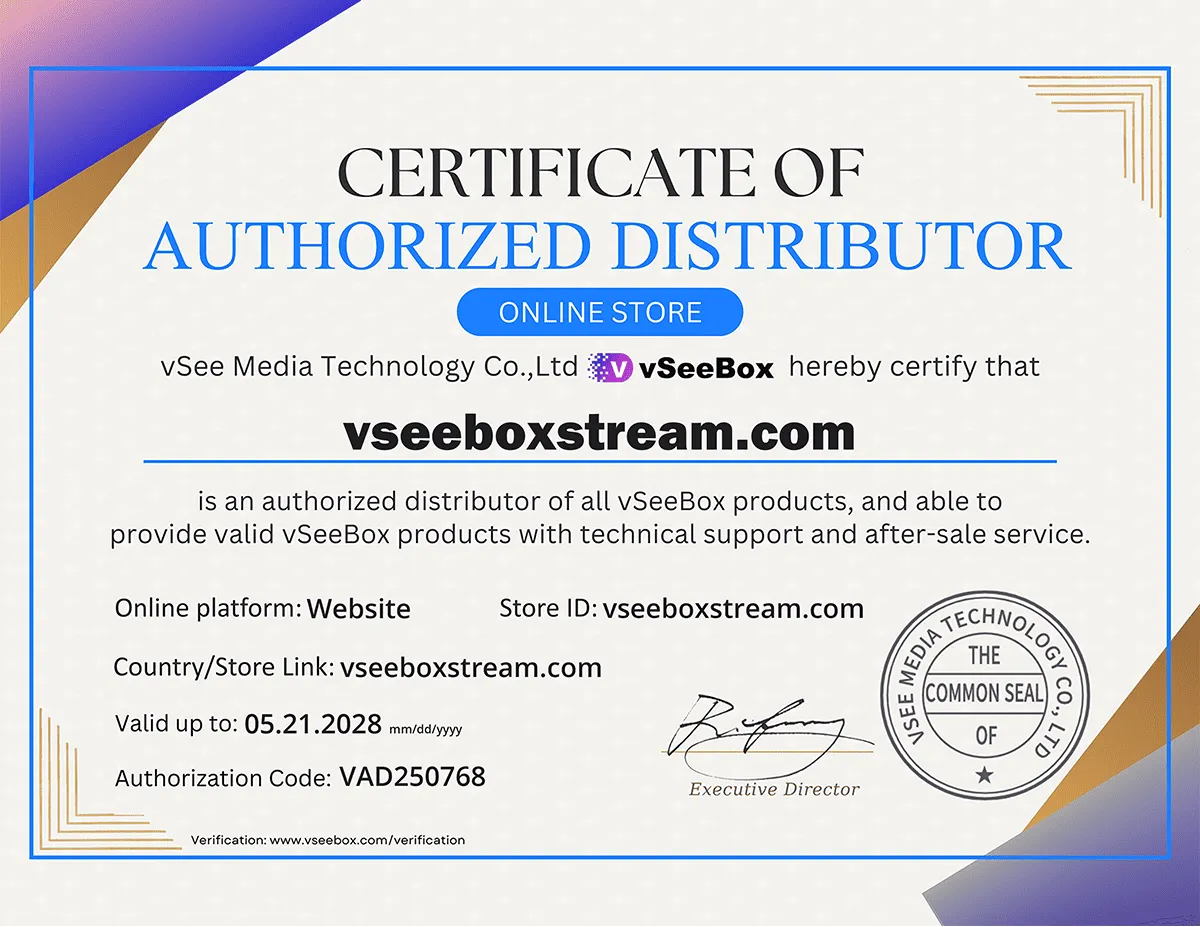
Certified Android TV Saves Future Problems
This is where many buyers make expensive mistakes.
There is a major difference between “Android OS” and a properly optimized Android TV system.
The names sound similar, but the real-world experience is completely different.
A certified Android TV system gives users smoother remote navigation, stable access to the Google Play ecosystem, more reliable software updates, stronger app compatibility, voice assistant support, and better long-term security.
Boxes without proper optimization create the same problems repeatedly—applications crashing, unstable playback, poor navigation, and limited support.
These issues usually appear after a few weeks of use, not on the first day.
That is why many buyers feel disappointed after choosing low-cost generic devices.
If you want to understand the technical reason behind this, read:
How vSeeBox Works in 2026 | Complete Android TV Box Setup Guide
It explains why system architecture matters far more than most buyers realize.
Who Should Not Buy vSeeBox?
vSeeBox is not the right choice for every buyer.
If your goal is only basic viewing on a secondary bedroom TV, and you simply need occasional daily streaming, an entry-level device may be enough.
If budget is your only priority, simpler options may be more practical.
vSeeBox is built for users who care about stronger hardware, smoother daily use, long-term performance, and a better premium home entertainment experience.
It is designed for people who want fewer problems after purchase—not just a lower price on the first day.
Buying the wrong box costs more than buying the right one once.
Network Stability Matters More Than Most Buyers Expect
Many customers assume the TV box itself is the problem when buffering, delayed loading, or random freezing starts to happen.
After helping users solve these issues, the real cause is often much simpler—the home network setup.
Even a high-performance Android TV box still depends on a stable internet connection to deliver smooth streaming.
When the router is too far from the television, when walls weaken the 5GHz signal, or when several devices compete for bandwidth at the same time, performance drops quickly.
This is why network setup matters just as much as hardware.
A stable dual-band Wi-Fi connection creates a much better daily experience, especially when the 5GHz signal remains strong and uninterrupted.
If the television is located far from the router, using an Ethernet connection creates far more stability than relying only on wireless signals.
Bluetooth remote stability also matters more than many people expect. A stronger connection creates faster response time and avoids the frustration of delayed control during normal use.
In many cases, users solve what feels like a device problem simply by improving router placement instead of replacing the TV box.
If your system suddenly freezes during startup, you may also need this guide:
How to Fix vSeeBox Stuck on Boot Screen | System Recovery Guide
This helps users solve startup issues before assuming hardware failure.
Real Buyer Example
A customer in Texas upgraded from a budget streaming stick to V6 Plus after months of buffering, slow loading, and constant storage problems.
The difference was immediate.
Applications opened faster.
The remote responded instantly.
Live TV became smoother.
There was no need to keep deleting apps just to install updates.
Most importantly, the system simply worked every day.
That is what buyers remember most—not specifications, but peace of mind.
Frequently Asked Questions
Does VSeeBox support 8K?
Yes. V6 Plus and higher flagship models support true 8K output designed for premium home entertainment and larger televisions.
Which vSeeBox is best for families?
For most families, V6 Plus offers the best balance between performance, stability, storage, and long-term value.
Is V6 Plus better than V6 Max?
V6 Plus offers the best balance for most users.
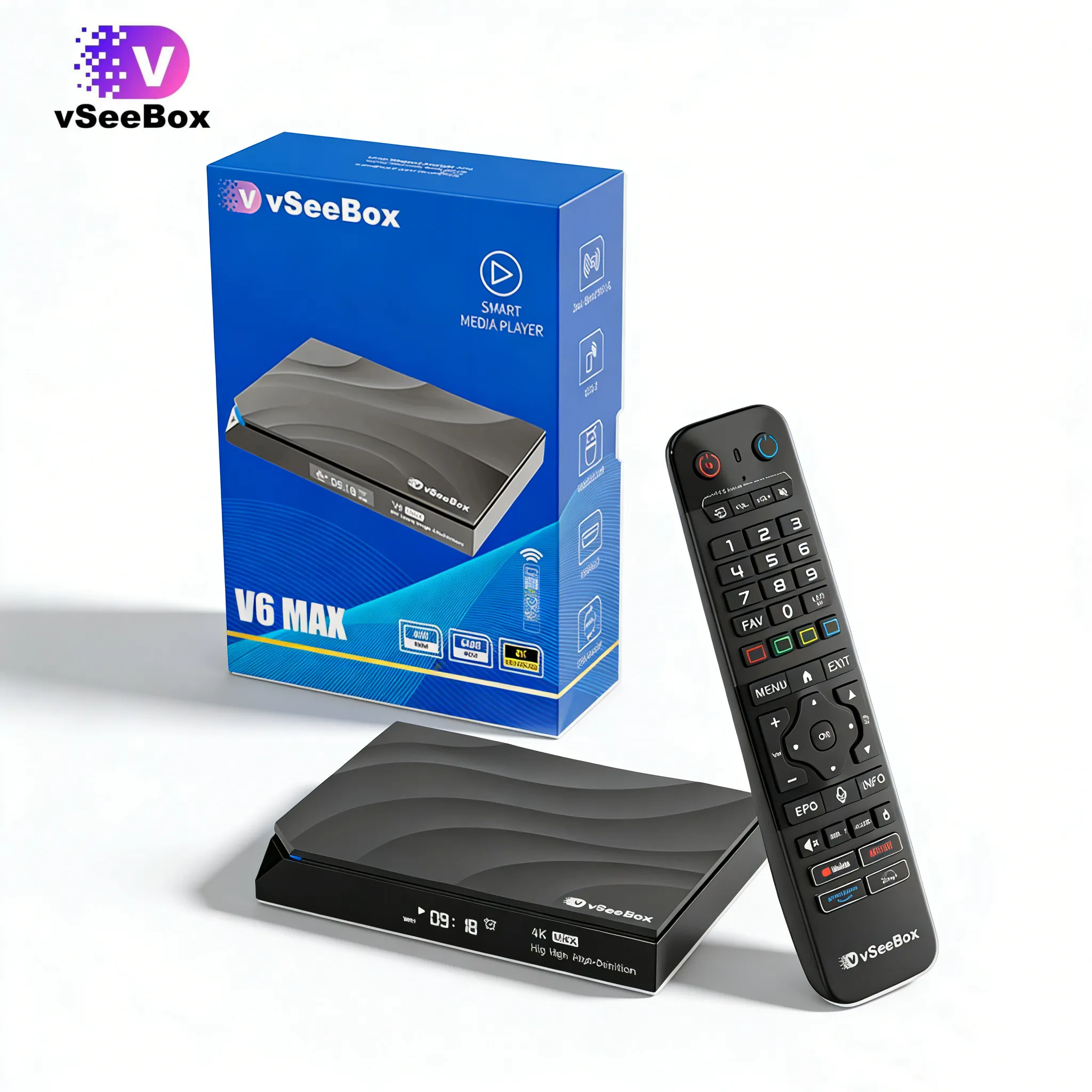
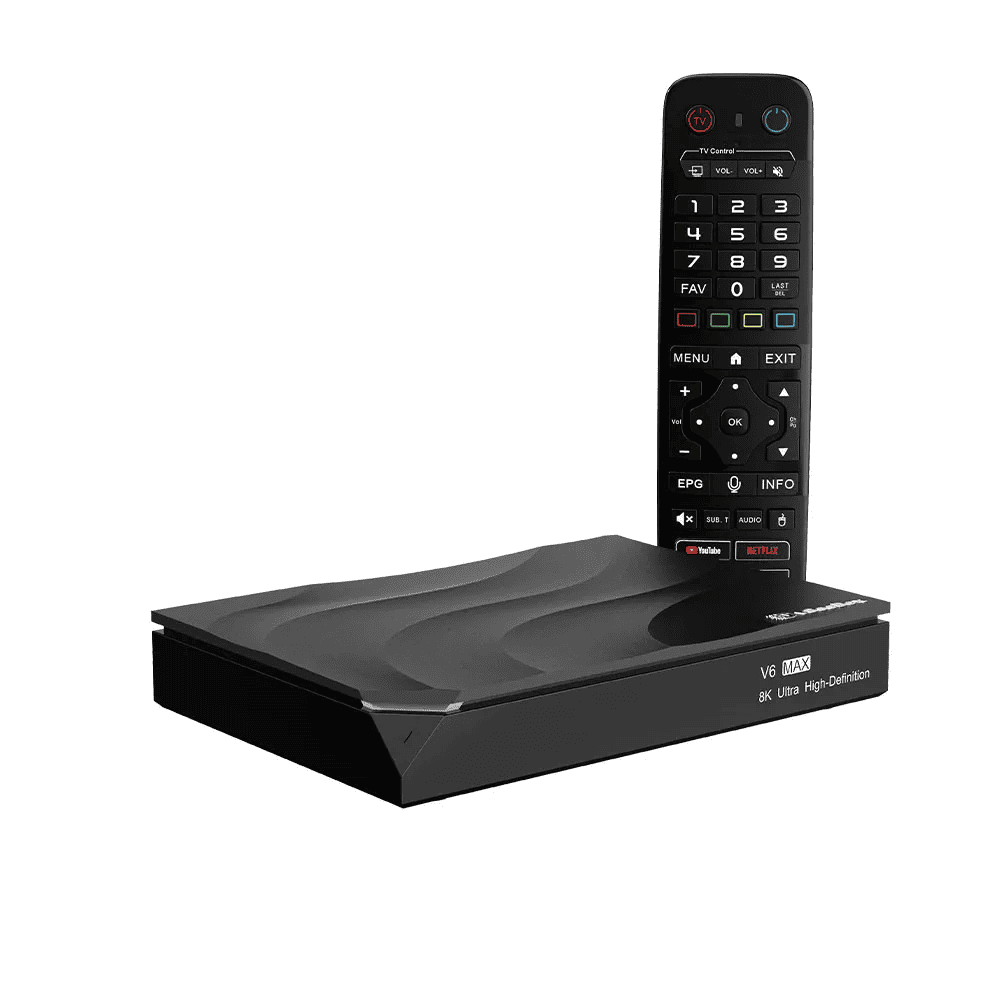
V6 Max is better for buyers building a full premium home theater system and wanting maximum flagship performance.
Final Buying Recommendation
Choose V6 Pro for strong daily performance, reliable stability, and better value without paying for flagship-level features.
Choose V6 Plus if you want true 8K streaming, stronger long-term performance, and the best balance between premium features and practical investment. It is more than a streaming device—it is a complete 8K home entertainment upgrade built for long-term use.
Choose V6 Max if your priority is maximum performance for a premium home theater setup.
The best TV box is not always the cheapest one.
It is the one that works smoothly every day without problems.
That is what most North American buyers truly value—reliability, performance, and peace of mind.
And that is where vSeeBox stands out.
Written by the vSeeBox team, this article is part of our ongoing effort to provide practical setup guides, viewing tips, and Android entertainment insights for North American users.
.jpg?w=2048&h=2048)
-0.jpg?w=2048&h=2048)